7 Early Signs Your Child May Need Braces: What Every Parent Should Know
Nov 12, 2026
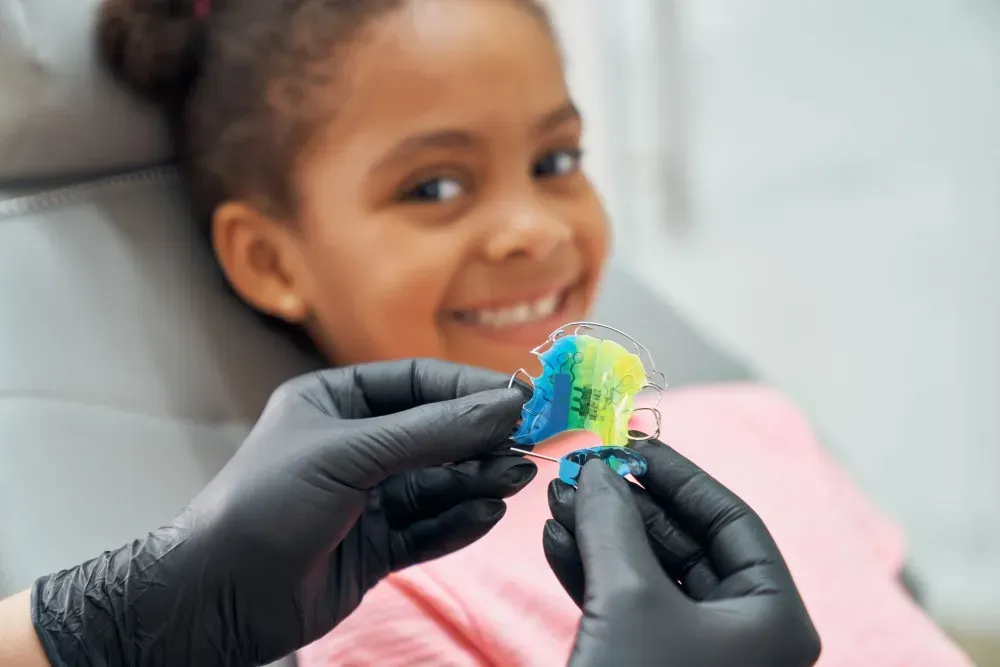
As parents, we constantly watch our children grow and change. We celebrate every lost baby tooth and new adult tooth that emerges. But sometimes, it is hard to tell if their smiles are developing on track.
At Hendricks Dental Specialists in Brentwood, Tennessee, our team helps families navigate these changes. We offer specialized pediatric dentistry and orthodontic care to keep your child's smile healthy.
Many parents wonder when to start thinking about braces. The American Association of Orthodontists recommends that children get their first orthodontic screening no later than age seven. This early baseline helps us spot issues before they become complex.
Baby teeth act as natural space maintainers. If they fall out too early or late, adjacent teeth can drift.
The American Association of Orthodontists notes that this can cause the dental arch to collapse. We monitor this closely during routine preventive care visits.
If your child struggles to chew or frequently bites their cheeks, their bite might be misaligned.
Difficulty chewing often points to severe bite issues. We can evaluate their bite alignment at our Brentwood office.
Does your child breathe primarily through their mouth? This habit can actually alter how their jaws grow.
Chronic mouth breathing can create structural issues like a narrow upper jaw. This resting posture deprives the jaw of natural tongue pressure.
If you notice your child's jaw shifting to one side when they close their mouth, it could indicate a crossbite.
A study in the Cochrane Database of Systematic Reviews shows that expansion appliances are highly effective for children ages 7-11. Correcting this early prevents the jaw from permanently growing off-center.
Does your child accidentally bite the inside of their cheeks often? This is not always just an accident.
Cheek biting can be a physical sign of a misaligned bite. Our team can assess if their teeth are guiding their jaw into an unnatural position.
Sometimes, a bite issue affects how a child's face looks from the side or front.
We recommend professional evaluation if you notice a facial imbalance. Guiding jaw growth early is much easier while your child's bones are still growing.
Sucking is normal for babies, but the habit should not continue into elementary school.
The American Academy of Pediatric Dentistry explains that addressing prolonged habits helps facilitate normal bite relationships. Constant pressure from a thumb can push front teeth forward and warp the upper jaw.
Not every child who visits us at age seven will need braces. While early treatment is beneficial for many children, it is not indicated for every developing bite. Often, we simply monitor their growth over time.
As your child grows, we continue to guide their smile. For older kids and teenagers, we also offer modern options like Invisalign® clear aligners.
If you notice any of these signs, we are here to help. To schedule your child's first orthodontic evaluation, contact our team at Hendricks Dental Specialists today.